Managed Sandalwood farmland
Sri Gandhavriksha Farms
Gajanur Village - Kanakapura Road - Malavalli Taluk
Just 90 minutes from Jayanagar, Bangalore
Sri Gandhavriksha Farms, plots ranging from 5445 square feet onwards, forming a Sandalwood Heaven with investment potential. With a commitment to sustainable practices, the property features serene water streams, well-maintained roads, and easy access to popular tourist spots.
These plots start at 24.5 lakh, presenting an enticing investment or tranquil getaway. In essence, Sri Gandhavriksha harmoniously blends nature's beauty, modern amenities, and investment opportunities, catering to diverse preferences from seeking serenity to exploring the region's charms.
Rs 450/ Sqft
● Every plot has 4.5-year-old Sandalwood trees
● Secured Gated Community
● Legal: 100% Clear titles, General property
● High returns from Processed Sandalwood.
● 10 X Returns from Land Appreciation.
● Get organic fruits and vegetables at your doorstep.
● 4 km from NH948 Highway
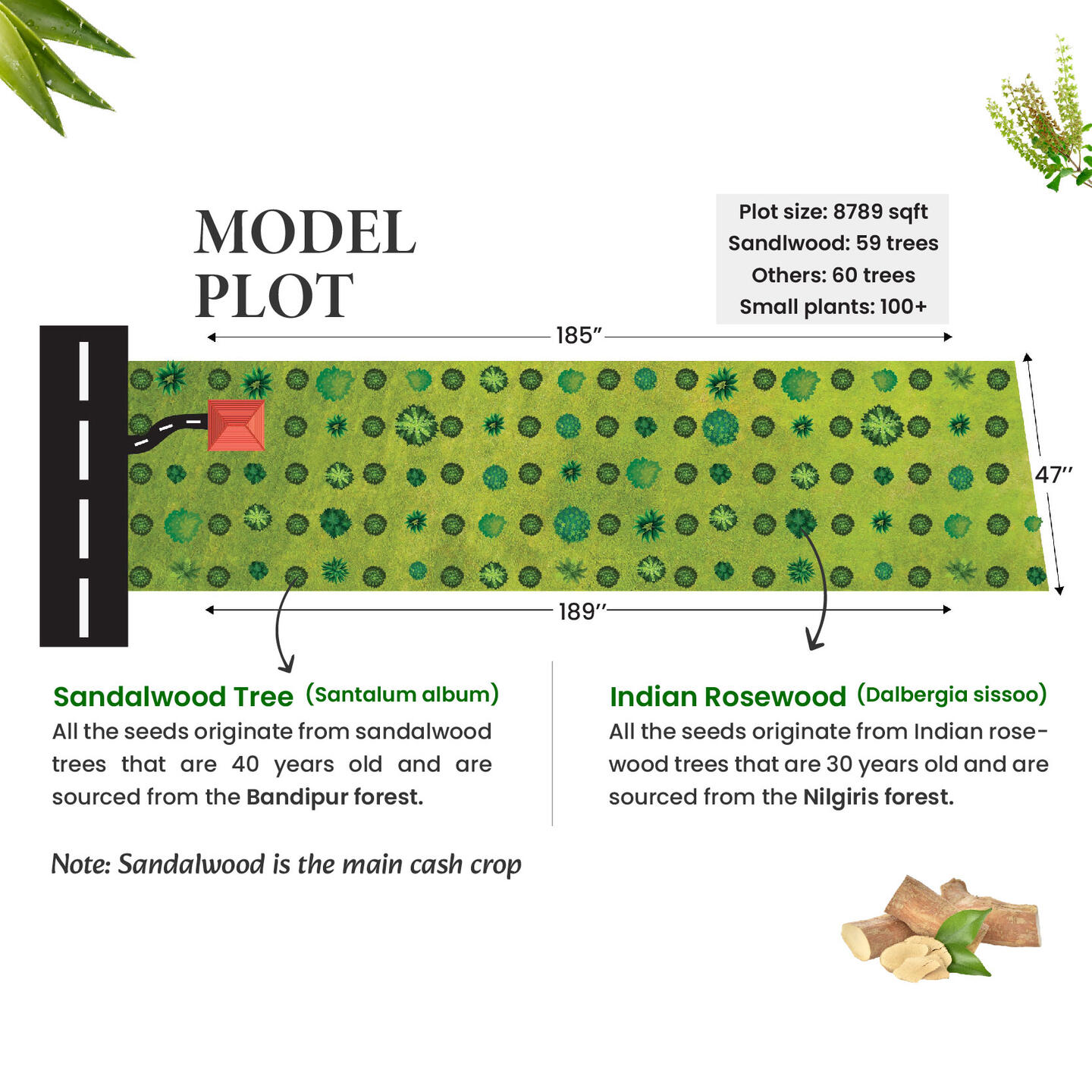
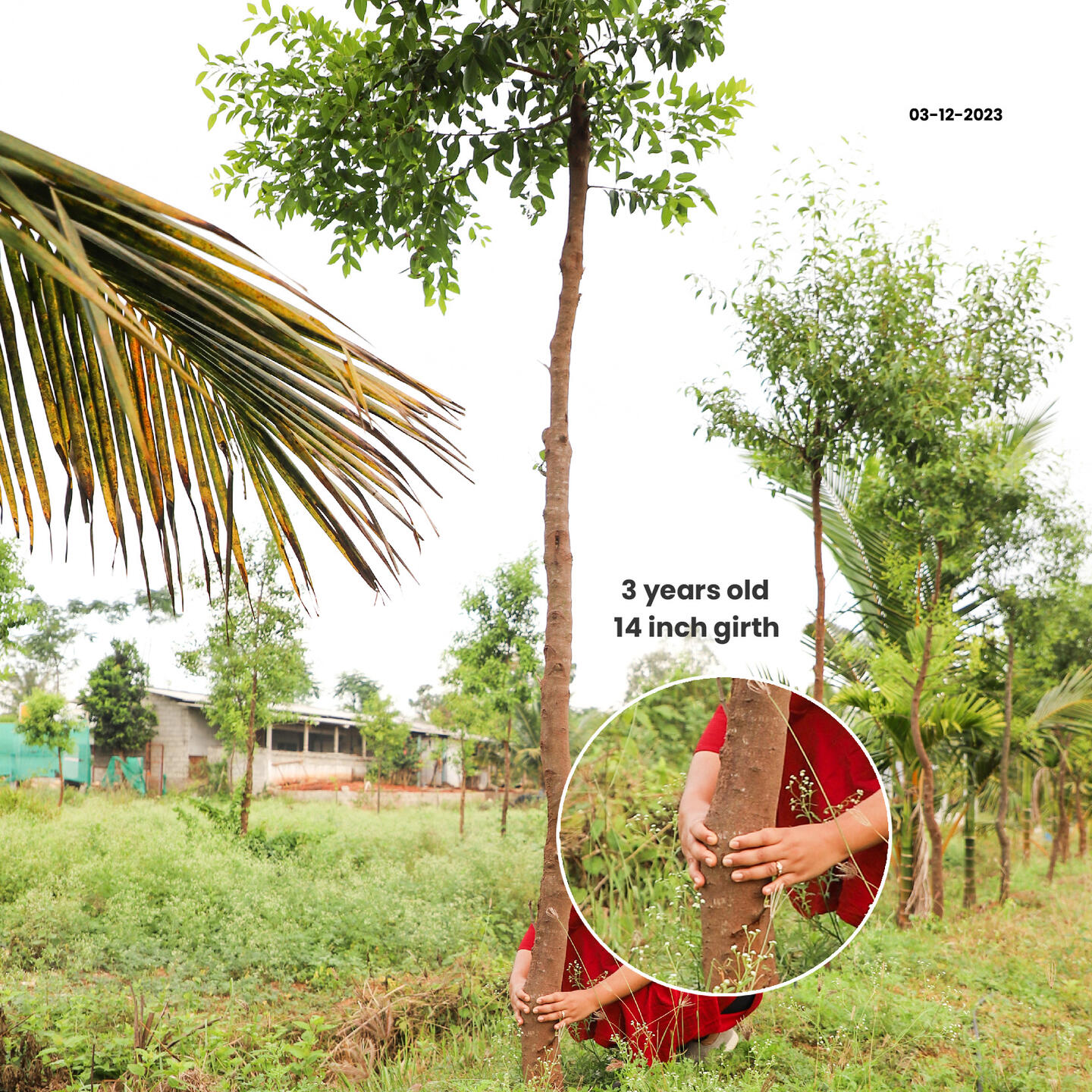
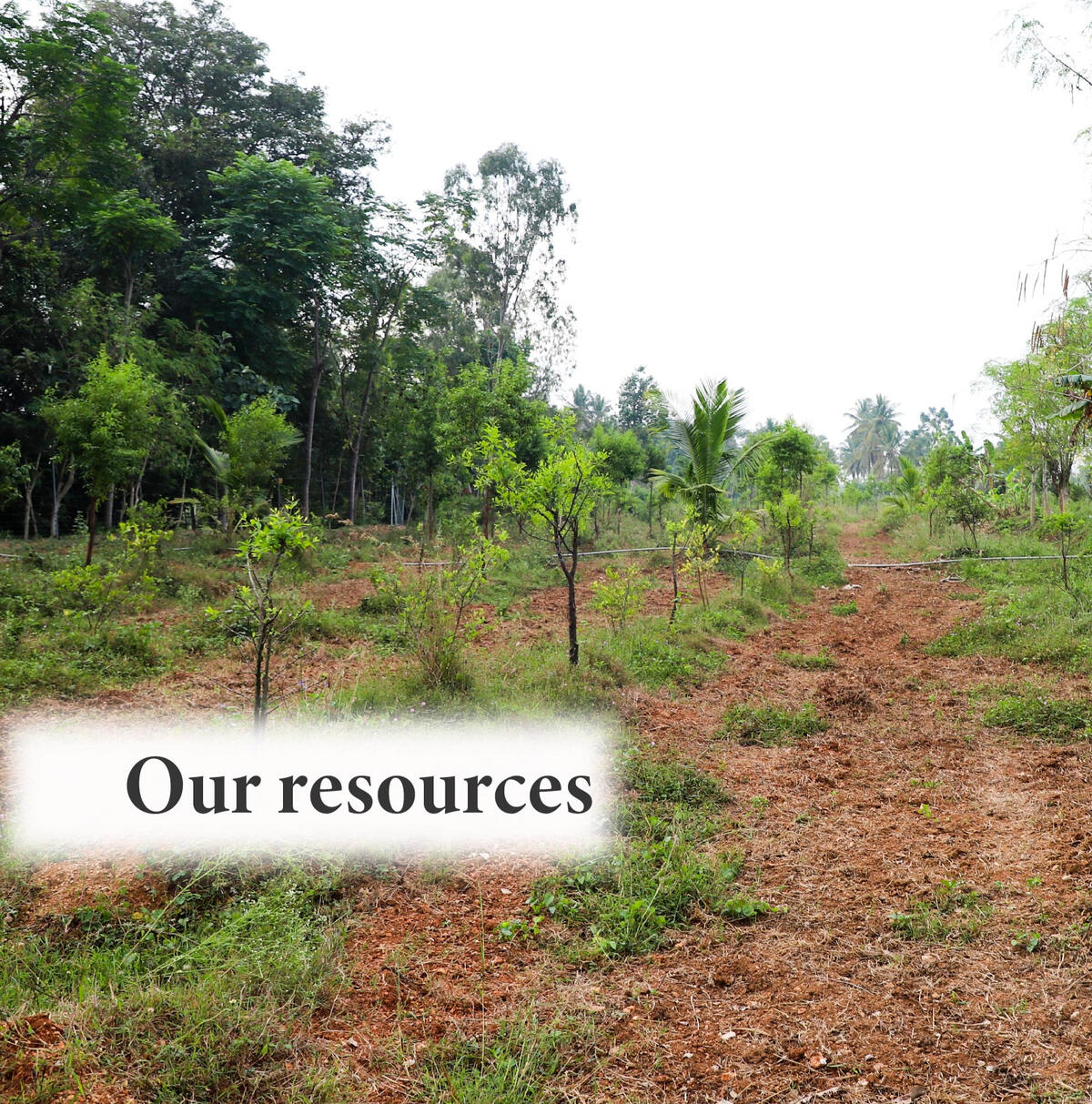
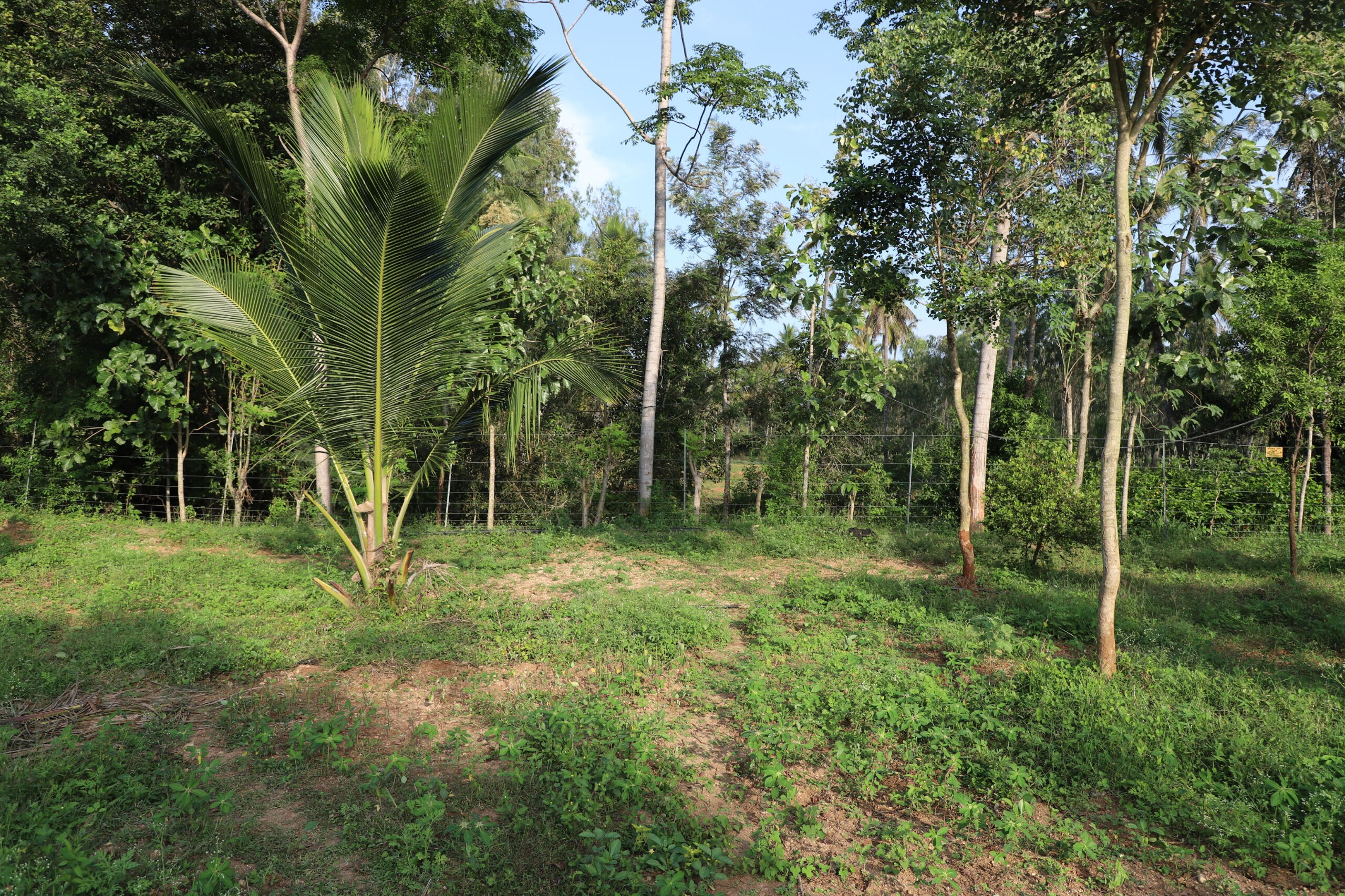
Existing Sandalwood Trees
● Sandalwood (Santalum album)
All saplings were selected from matured tree seedlings of Bandipur forest.
● Suitable location for A-Grade Sandalwood
(Elevation: 622meters above sea level
@ Southwest Deccan plateau)
Highlights
● Natural water stream with Check Dam.
● Gaushala with Organic Bio plant.
● 10Hp Solar Plant, 24/7 water and electricity.
● 100% Secured gated farm.
● 12 lakh liters water storage tank.
● Vermicompost unit & Packhouse.

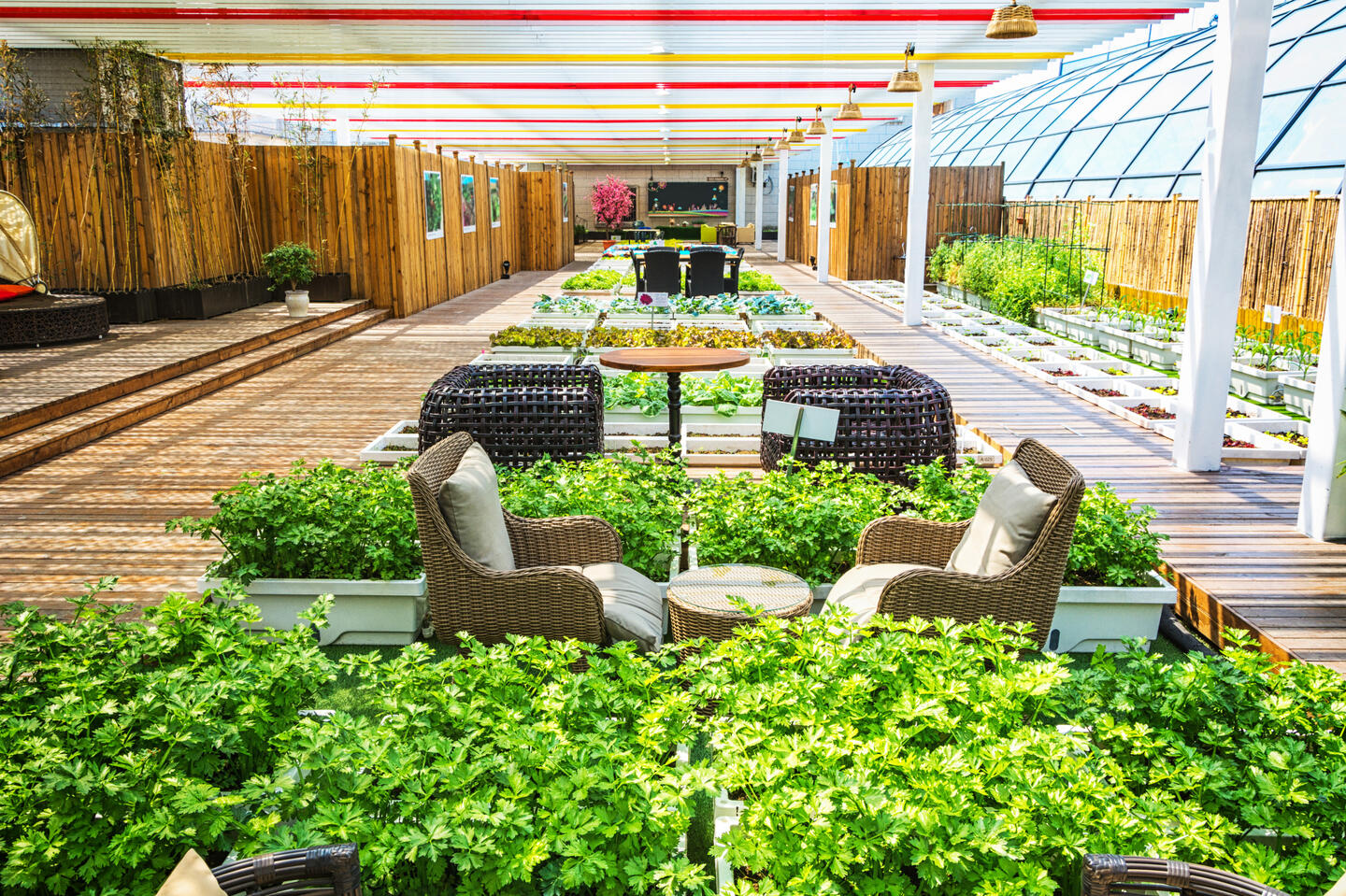
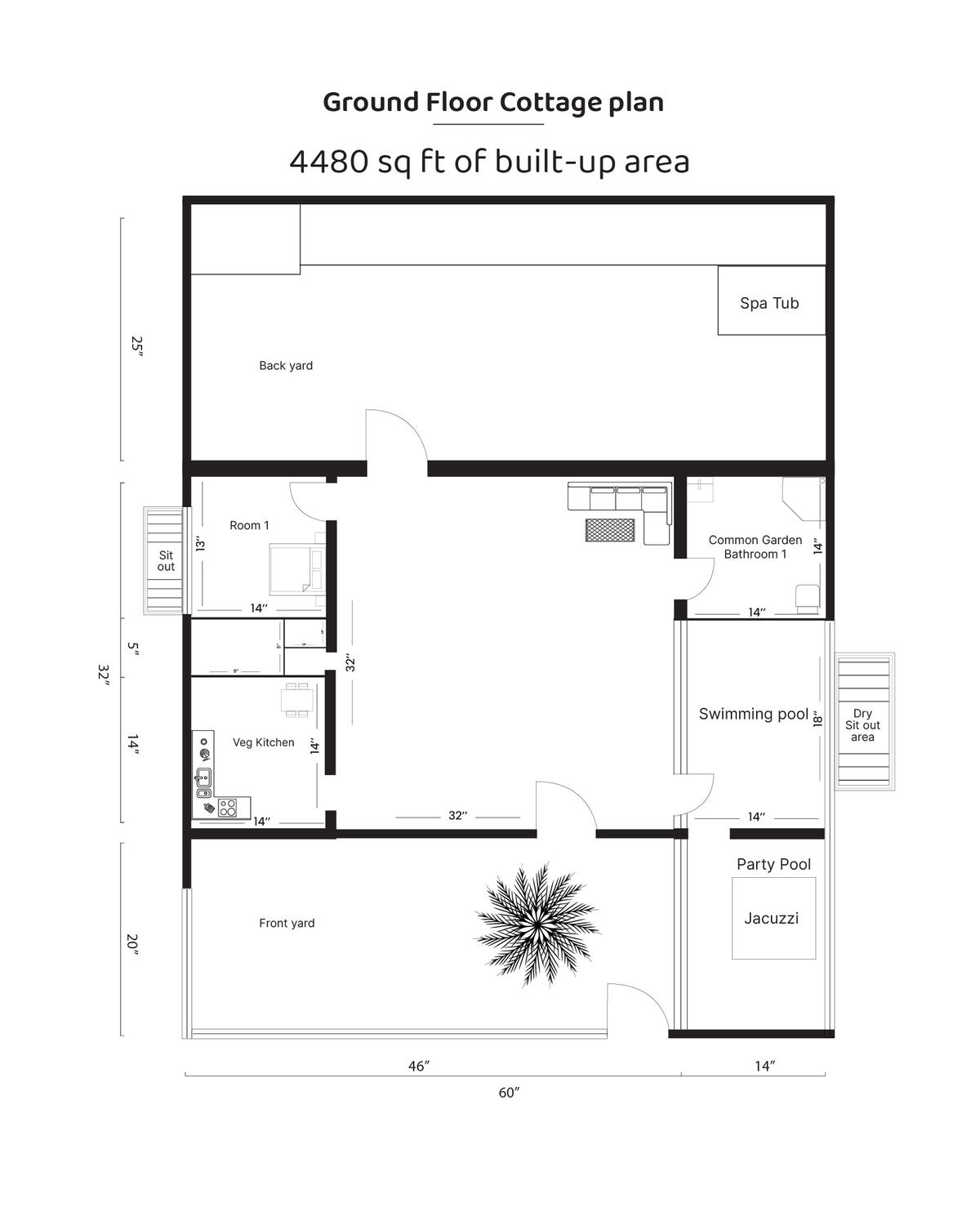
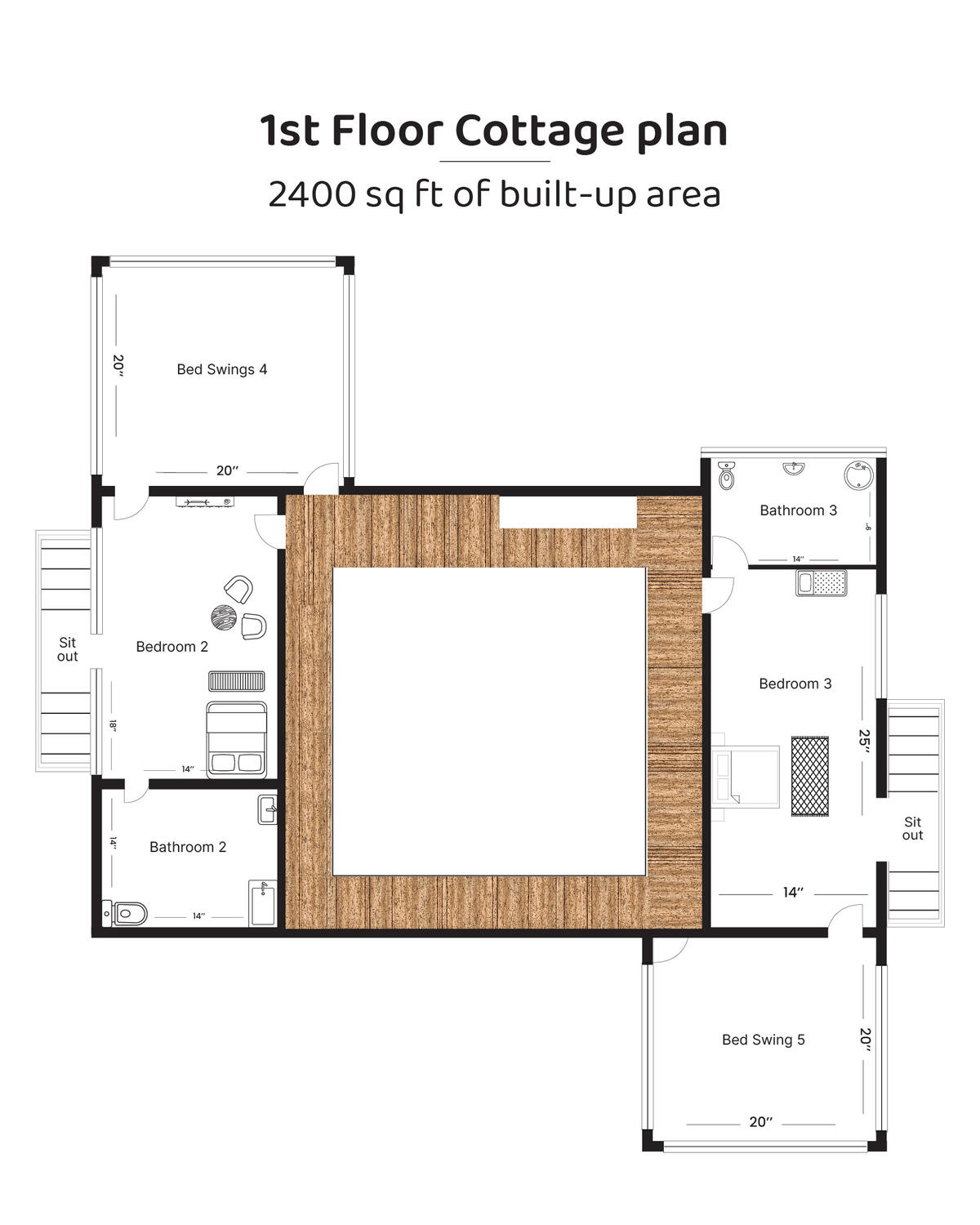
Studio house @ 43500sqft ( 3 star)
● 20 plus amenities
● Kids-friendly place
● Additional tent facilities
● High-speed wi-fi
● Work from a farm retreat
Why are we different?
● Setting ourselves apart through investment opportunities with the potential for a 30-fold return on investment.
● Distinguishing feature: a dedicated Research Centre committed to innovation and advancement.
● Unique focus on specialized sandalwood cultivation techniques.
● Providing an edge with an array of value-added products in our offerings.
About Sri Gandhavriksha Farms
Sri Gandhavriksha Farms is an initiative by Sree Kutumbh, The Jain group of institutions with an exclusive sandalwood research center creating entrepreneurial journey in commercial farming.
Sri Gandhavriksha farms, 475, 2nd & 3rd Floor, RBI Layout Main Rd, Nagarabavi, RBI Layout, JP Nagar 7th Phase, J. P. Nagar, Bengaluru, Karnataka 560078
© Sri Gandhavriksha farms

Which is the best managed farmland to invest in near Bangalore?
If you are looking to invest in farmland near Bangalore, the “best” option is not decided by price or advertisements alone. It depends on soil quality, water availability, legal clarity, safety, and how the land is actually managed over the long term.Many people buy farmland around Bangalore and regret it later because: The soil is dry or rocky, there is no proper water source, Land titles are complicated, Developers disappear after selling plots, and there is no real on-ground maintenance
In reality, farmland is not just an investment — it is a long-term relationship with the land.One of the most promising and genuine areas right now is (Mandya, Malavalli, Maddur, Kanakapura road). This region offers:Fertile, well-drained agricultural soil
Good quality water suitable for cultivation
Peaceful and supportive villages
Easy access within about 2 hours from Bangalore
No major wildlife or security threats
Strong local community involvement.Our Project Sri Gandha Vriksha Farms operates only in a very focused zone at Ganjnur village and (within a 3–5 km radius) because this is our native place. We understand the land, the topography, the property background, and even the people living around it. That is a big reason why the risk is much lower compared to projects managed by outsiders.Another important difference is that the entire project belongs to a single owner-cum-developer. We don't have any joint ventures, no outside investors, and no expensive marketing props. Because of this, the land remains more affordable and fairly priced, unlike many competitor projects where the cost is high only because of heavy advertising and commissions.Beyond investment, this location also provides strong lifestyle value:Weekend getaway potential
Ability to grow organic vegetables and fruits
Surrounding river, waterfalls, trekking spots, and green landscapes
A peaceful place to reconnect with nature and village lifeOur focus is mainly on sandalwood (Srigandha) and other high-value plantations, managed by people with experience in horticulture and forestry, making it suitable for anyone who is looking for both returns and a real connection with the land.In simple words, the best farmland near Bangalore is not the one that looks good on Instagram — it is the one that has healthy land, clean titles, honest people, and a long-term vision.
That is what truly makes a farmland investment successful.
Copyright © 2026 Srigandha Vriksha Farms. All rights reserved.
Is Managed Farmland a Good Investment in 2026?
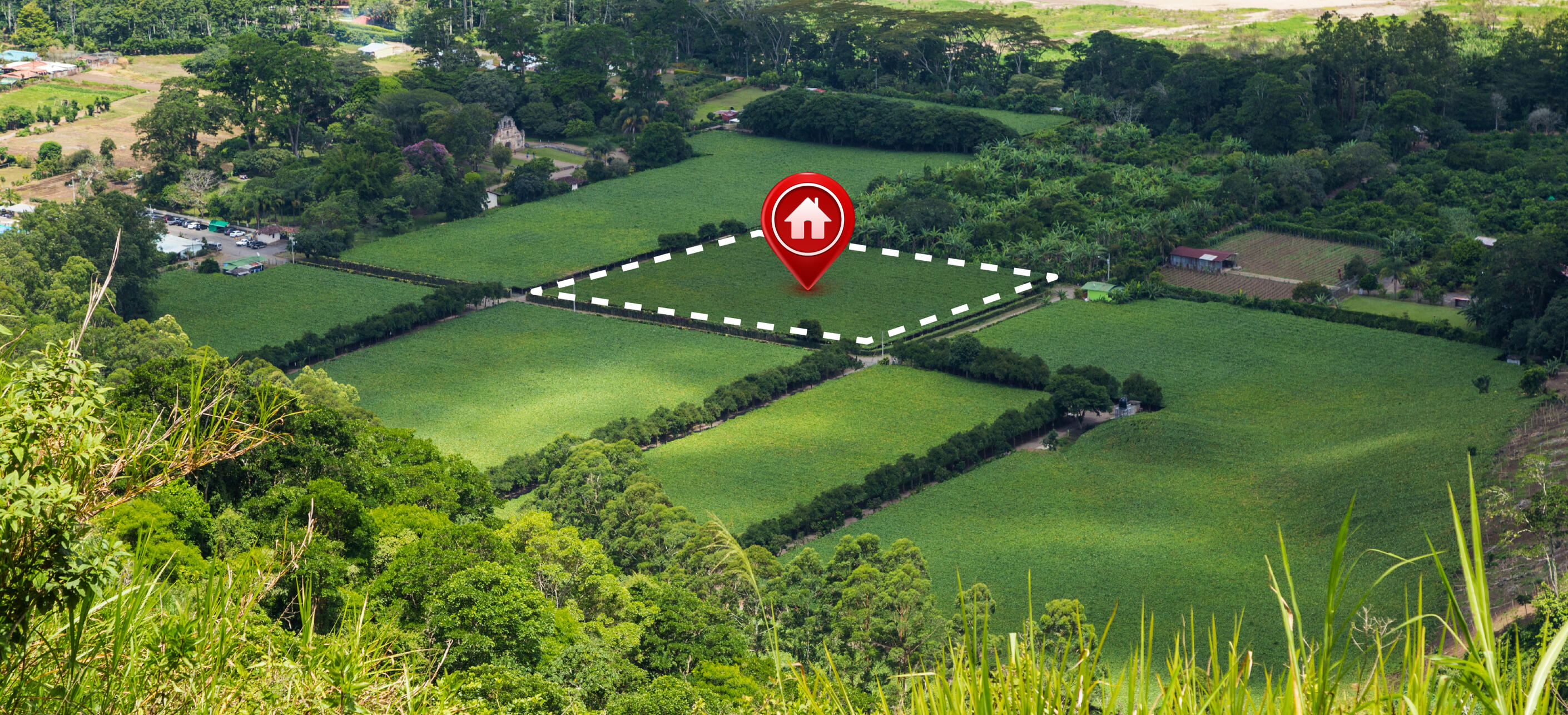
Managed farmland continues to be one of the most stable and meaningful investment options in 2026, especially around Bangalore. Over the last few years, there has been a visible shift in the way people approach land ownership. It is no longer just about buying a piece of land and waiting for appreciation — investors today look for weekend accessibility, long-term usability, safe locations, and the opportunity to be closer to nature from time to time. Because of this, the demand for well-planned and professionally managed farmland projects has grown steadily.Across Karnataka, farmland values around Bangalore have been appreciating at an average of 8–14% per year, depending on the location, water availability, and the quality of development. One of the big reasons behind this rise is the growing trend of staycations and nature-based weekend getaways. A large number of families, especially from the IT and business sectors, now prefer spending weekends in peaceful green surroundings rather than in crowded resorts. This cultural shift has naturally increased the value of farmlands that offer cottages, greenery, internal roads, fences, and basic amenities. As demand grows, well-developed farmland appreciates more quickly than raw land.Another important reason why managed farmland has become attractive is the interest of parents who want their children to spend time outdoors, learn about plants and animals, enjoy fresh air, and build a healthier lifestyle away from screens. For the next generation, farmland becomes more than an investment — it becomes a Virtual workplace, a nature retreat, and a family asset they grow up using. This emotional value often translates into higher financial value over time.A real example of appreciation can be seen in the development journey of our Project - Sri Gandha Vriksha Farms. The project began in 2024 with prices around ₹280–₹299 per sq ft, at a time when only basic plantation, solar setups, and essential resources were being established. By 2025, with intermediate plantation and landscape planning, prices naturally rose to ₹399–₹430 per sq ft.By 2026, after the addition of internal roads, premium cottages, raised-bed gardens, and lighting infrastructure, prices will have crossed ₹500–₹550 per sq ft. This is not speculative appreciation — it is a result of grounded, visible development carried out year after year.With quality development as per our roadmap, future prices will likely follow the same trajectory. With every stage — Studio camps, automation, fencing, adventures, villas, drone security, robotics, and more — the value of the land naturally increases. This happens because real work on the ground increases the usability, safety, and attractiveness of the land, which directly influences market demand.Overall, managed farmland is a sound investment in 2026, provided the land has clear titles, the team is trustworthy, and the location is supported by good water sources and peaceful local communities. When these conditions are met, the investor benefits in three ways: stable appreciation, access to a nature-rich weekend lifestyle, and a long-term asset that the next generation will value even more.Farmland is one of the few investments that grows financially while simultaneously improving a family’s quality of life — and that is why its demand continues to rise each year.
Copyright © 2026 Srigandha Vriksha Farms. All rights reserved.

Is It Safe to Buy Farmland Near Bangalore today?
Buying farmland near Bangalore can be a very safe and meaningful investment, but only when you fully understand the realities involved. Over the last few years, we have observed two types of buyers: those who purchase individual farmland and try to manage everything on their own, and those who choose managed farmland projects for convenience. Interestingly, both groups face challenges when the fundamentals of land, location, and local support are ignored.Individuals who buy their own farmland usually start with a lot of excitement, but they quickly realise that farming requires time, consistency, and experience. Unless a person is able to dedicate 60–80% of their attention to the land, it becomes difficult to maintain. Farming needs daily monitoring—water management, labour planning, fencing, soil care, and countless small responsibilities. And today, labour availability has become one of the biggest struggles around Bangalore. Even people who spend money on land improvements eventually stop because they cannot find reliable labour or cannot visit the farm regularly. Many buyers we have seen begin enthusiastically in the first year, spending lakhs on sheds, plantations, or cattle, but within a couple of years, they lose momentum. Another major challenge is that when you are not from the village, it takes years to understand the land’s topography, water flow, soil behavior, and overall ecosystem. Without local relationships and support, simple tasks often become complicated, and buyers end up feeling disconnected from the land they invested in.Managed farmland is comparatively safer, but even here the buyer must be careful. Many projects in and around Bangalore are run by real estate groups who may not have any real farming experience. As a result, some farmlands get developed like layouts or villa projects, with too much construction and too little natural environment. In several cases, the developers themselves face internal issues — disagreements between partners, joint venture complications, or financial problems — and customers end up paying the price. In addition to that, land documentation in rural Karnataka is sensitive; there are cases of grant land issues, disputed properties, unclear survey boundaries, encroachments, and misleading paperwork. A project may look attractive from the outside, but if the titles or location are not genuine, long-term safety becomes uncertain.So the real answer is this: buying farmland near Bangalore is absolutely safe — but only when the land, the people managing it, and the location are trustworthy and deeply understood. This is exactly why we chose to develop Sri Gandha Vriksha Farms only around our native village, Gajanur. Because we have grown up here for generations, we know which lands are good, which ones have clear titles, which areas have better water flow, and which spots should be avoided. We have seen these lands from childhood, understood their seasons, their strengths, and their challenges. The local community here is extremely supportive, peaceful, and welcoming, which naturally makes the environment safe for anyone investing or visiting.Our vision has always been to create a farmland community that feels like returning to your great-grandmother’s home — calm, peaceful, rooted in culture, and filled with the smell of soil and greenery. We do not want to build city-style clubhouses or concrete-heavy structures. Instead, we focus on nature-friendly designs, private cottages set far apart so each family feels personal space, and green-house-style studios surrounded by plants. For us, a farm should feel like a second life — a place where you forget city stress, breathe fresh air, walk among trees, watch fruits fall naturally, and enjoy the feeling of your land appreciating while becoming greener every year.In the end, the safety of buying farmland near Bangalore depends on choosing the right location, the right people, and the right vision behind the project. When these three things align, farmland becomes not just a safe investment, but a meaningful and peaceful part of your life.
Copyright © 2026 Srigandha Vriksha Farms. All rights reserved.

Are Managed Farmland Projects near Bangalore worth the price ?
The price of a farmland project is always a combination of land cost + development cost + marketing cost + the topography and natural advantages of that location. Once you understand this formula, the price differences across Bangalore start making complete sense.If you look at the overall map around Bangalore, farmland prices vary drastically. In the north and northeast belt, especially as you move toward the Andhra border, the availability of large agricultural belts keeps the land price low. Even in 2025, individual farmland plots there are still available between ₹5 lakh and ₹12 lakh per acre. When you break that down, ₹5 lakh per acre works out to just ₹12 per sq ft. If someone develops that land even with a basic 80–120 rupees per sq ft development, the final project price still comes to around ₹120–₹200 per sq ft. For that region, this is fair, because the demand is lower, water belts vary, and the micro-climate is different.Now look at the west and southwest side of Bangalore — Magadi, Ramanagara, Bidadi belt, and parts of Mysore Road. Here, even raw individual farmland prices range anywhere between ₹25 lakh to ₹90 lakh per acre, depending on closeness to towns, demand, and highway connectivity. If a developer buys an acre at ₹90 lakh (which is close to ₹206 per sq ft) and adds proper development costing around 150–200 rupees per sq ft, the final selling price automatically crosses ₹500–₹600 per sq ft. This is not overpriced — it is simply the arithmetic of land value + development + marketing.Similarly, as you move toward South Bangalore and Mysore, the farmlands are naturally more expensive because the soil quality is better, water pockets are deeper, tourism belts are stronger, and the region is more suitable for weekend homes. In these belts, managed farmland prices naturally fall between ₹500–₹800 per sq ft. Towards parts of the Tamil Nadu border, depending on the location, the prices vary from ₹200–₹500 per sq ft, again based on water table, fertility, landscape, and accessibility.The price of farmland is not just about the land cost — the topography and natural advantages play an equal role:
* Areas with natural slopes for water flow have a higher value
* Rich soil belts (Mandya/Malavalli/Mysore side) give better plantation results
* Water-rich belts command higher prices than drought pockets
* Areas surrounded by tourism, trekking, and forests have better lifestyle value
* Regions with safe, friendly villages appreciate fasterThat is why some places cost ₹200 per sq ft, while others naturally grow toward ₹800 per sq ftIn our region — around Gajanur Village, Malavalli Taluk — the actual individual land cost ranges from ₹50 lakh to ₹1.2 crore per acre, depending on the landscape. The final per-square-foot cost naturally begins from around ₹115 per sq ft even before development.What makes our pricing different is:1. We do not spend on heavy marketing
All buyers come through trust, referrals, and our groundwork.
This saves 60–150 rupees per sq ft compared to big-budget projects.2. Our development cost is realistic and experience-based
We spend ₹180 to ₹260 per sq ft fully on:
* plantations and fertigation
* soil conditioning
* infrastructure
* premium villas and grehouse studious
* beautification
* water systems
* farm automation
* fencing and security
* labour facilities and other machinery3. We don’t do unnecessary works just to increase the price
No artificial constructions, no unnecessary spendings, no activities that destroy nature.4. We are horticulture and agriculture experts, not real estate builders
Our decisions are based on land, seasons, plants, and long-term soil health.5. Because this is our native land, we know which plots are worth buying and which to avoid
This reduces risks, avoids problematic titles, and ensures only strong land is selected.
And directly deal with the land owner to get quality land at best price.Yes, managed farmlands are worth the price when the final number reflects the real cost of land, real development, and real value of the location — not marketing hype. A ₹200/sq ft project near the Andhra border and a ₹600/sq ft project in the Mysore belt are both justified because the land value, water table, lifestyle potential, and topography are completely different.Projects become truly worth it when they are built by people who understand the land deeply, develop it meaningfully, protect nature, and keep long-term vision intact. And that is exactly why our region and our project in Gajanur stand strong — the land quality, community safety, topography knowledge, native connection, and planned green development make the price not only fair, but future-proof.
Copyright © 2026 Srigandha Vriksha Farms. All rights reserved.
Can i get a bank loan to purchase Managed farmland ?
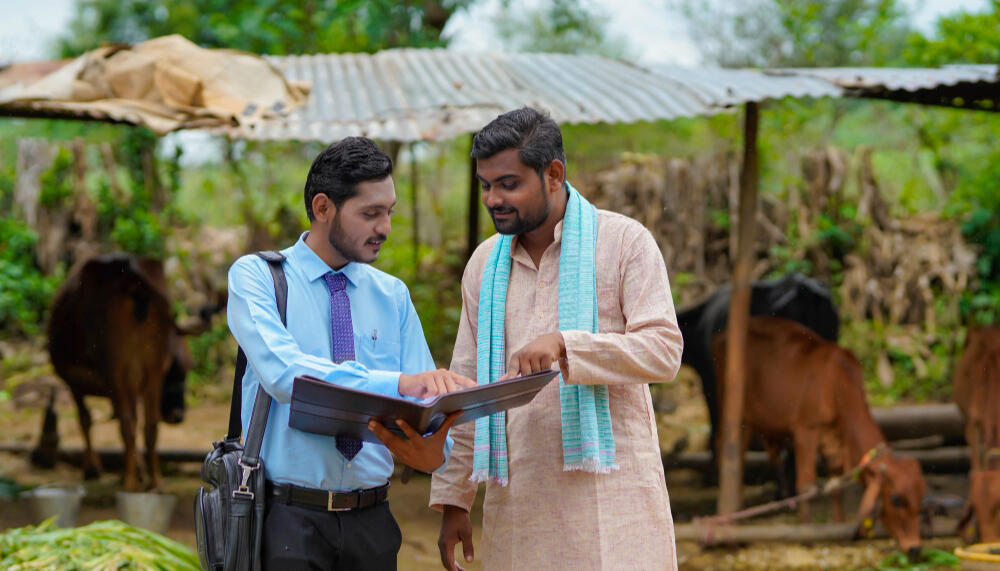
In most cases, agricultural land loans are not available for rural agricultural properties, especially when the land is meant for farming or plantation purposes. Banks generally avoid financing rural agricultural land because of title complexities, land-use restrictions, and the nature of agricultural income.There are only a few situations where banks may provide loans connected to agricultural land. One is when the land is located inside an urban or semi-urban zone, where banks treat the land differently under certain loan categories. Another is when agricultural land has been legally converted for other purposes—such as residential, commercial, or institutional use. In such cases, the land no longer falls under pure agricultural classification, so banks may offer normal land purchase loans, mortgage loans, or home construction loans depending on the approved usage.Statistics from various banking sources show that less than 5–7% of agricultural land transactions in rural areas take place through formal bank loans. Most purchases happen through personal savings or private financing because agricultural land loan products simply do not exist for the majority of buyers.At Sri Gandavriksha Farms, we understand that agricultural land rarely qualifies for bank loans. To make the buying process simpler and more accessible, we provide our buyers with a 0% interest EMI facility for one full year.
Are Cheaper Farmland Projects Really Worth Buying? A Practical and Honest Understanding
There is a common saying in farmland investment:
“The price of land may be cheap, but the cost of developing it never is.”
This becomes even more true when you compare genuine managed farmlands with projects that sell land at ₹100–₹150 per sq ft and still call it “managed”. To understand why cheaper farmland looks attractive but rarely delivers real value, it is important to understand the actual cost of developing and maintaining farmland — using real numbers, not assumptions.Let’s begin with the example of how we calculate development at Sri Gandhavriksha Farms, because our cost structure is based on real on-ground experience, horticulture knowledge, and actual labour usage—not marketing stories. When we develop one acre of land, plantation alone becomes a major early expense. If we plant 600–650 trees per acre, the basic plant cost is around ₹400 each. Along with this, there is the cost of pit preparation, organic manure, green manure, first-year fertilizers, labour, and replanting of any damaged saplings. In the case of piggy planting, the cost per plant easily reaches around ₹1,200. When you multiply this by 600 plants and divide the total across 43,560 sq ft (1 acre), plantation alone comes to around ₹16 to ₹17 per sq ft in the first year.Now consider the water infrastructure. A typical borewell with proper electricity, DC connection, pump replacements, service charges, wiring, and a realistic 15-year maintenance cycle costs around ₹9 lakh. One borewell can support roughly four acres. When you divide this, the borewell cost alone adds another ₹5 to ₹6 per sq ft over the lifetime of the project. Drip irrigation or sprinkler systems, which need replacement every 7–10 years, add another ₹4 to ₹7 per sq ft. Fertilizers, soil boosters, micronutrients, biomass, mulching materials, and organic inputs for 15 years cost ₹22 to ₹25 per sq ft.Beyond the basics, a well-managed farmland must include internal water lines, pipeline chambers, biodigesters, nursery support, vermicompost units, tools and machinery, tractors, grass cutters, soil tillers, fencing, solar lamps, CCTV surveillance, security dogs, lights, internal roads, cottages, a functional goshala, electricity backup, Wi-Fi, farm automation systems, and humane facilities for employees. When all these real, essential components are calculated together, the actual development cost reaches ₹260 to ₹280 per sq ft for 15 years — and this does not include the cost of daily maintenance.Daily maintenance is an even more eye-opening calculation. Through experience, we have learned that one skilled labourer can properly maintain around 52,000 sq ft of land. When you include their salary, stay, food, and other basic facilities, the annual cost per labourer becomes around ₹3.36 lakh. Dividing this across the area he maintains results in an annual maintenance cost of ₹6.50 per sq ft. Over 15 years, even with the most conservative calculation, this becomes ₹100 per sq ft purely for maintenance.When we add land cost + development cost + 15-year maintenance value, our final pricing comes from genuine agricultural mathematics, not marketing.That is why many buyers, including us, are confused when we see so-called managed farmland projects selling at ₹100 or ₹120 per sq ft. These prices don’t even cover the basic cost of plantation, let alone water systems, infrastructure, or long-term maintenance. And what is even more surprising is that some of these projects claim they do not charge any maintenance fee at all. How can any farmland survive 10–15 years without irrigation maintenance, without fertilization, without labour, and without infrastructure renewal? It is simply not possible unless the project is purely real estate in disguise and not truly farm-managed. In most cases, cheaper farmland exists in areas with thin soil, poor rainfall, weak water tables, or forest-attached rocky belts. Such locations require more development cost, not less, yet their selling price is lower — which raises real questions.In contrast, our land sits in one of the most naturally blessed pockets near Gajanur — surrounded by the Kaveri river belt, with rich soil, excellent groundwater, supportive rainfall, and favourable topography. Even with these natural advantages, our development cost reaches ₹260–₹280 per sq ft because real managed farming simply demands long-term investment, labour, infrastructure, and continuous care. Now imagine the cost of developing and maintaining farmland in dry or difficult terrain — it should logically be higher, not cheaper. And yet, many projects sell at extremely low prices, which clearly shows that the land is being sold but not truly managed.So the real question is not “Is cheaper farmland worth buying?”
The real question is:
“Is it truly a managed farmland, or is it just land sold under a farm logo?”Every buyer must judge this for themselves. Cheap prices may look attractive today, but farmland always reveals the truth over time. Trees speak, soil speaks, water speaks — and nothing can hide reality for long. As we often say:“A farm cannot lie. It grows only when the people behind it are genuine.”
Where can I buy safe and affordable agricultural land near Bangalore for long-term farming / investment?
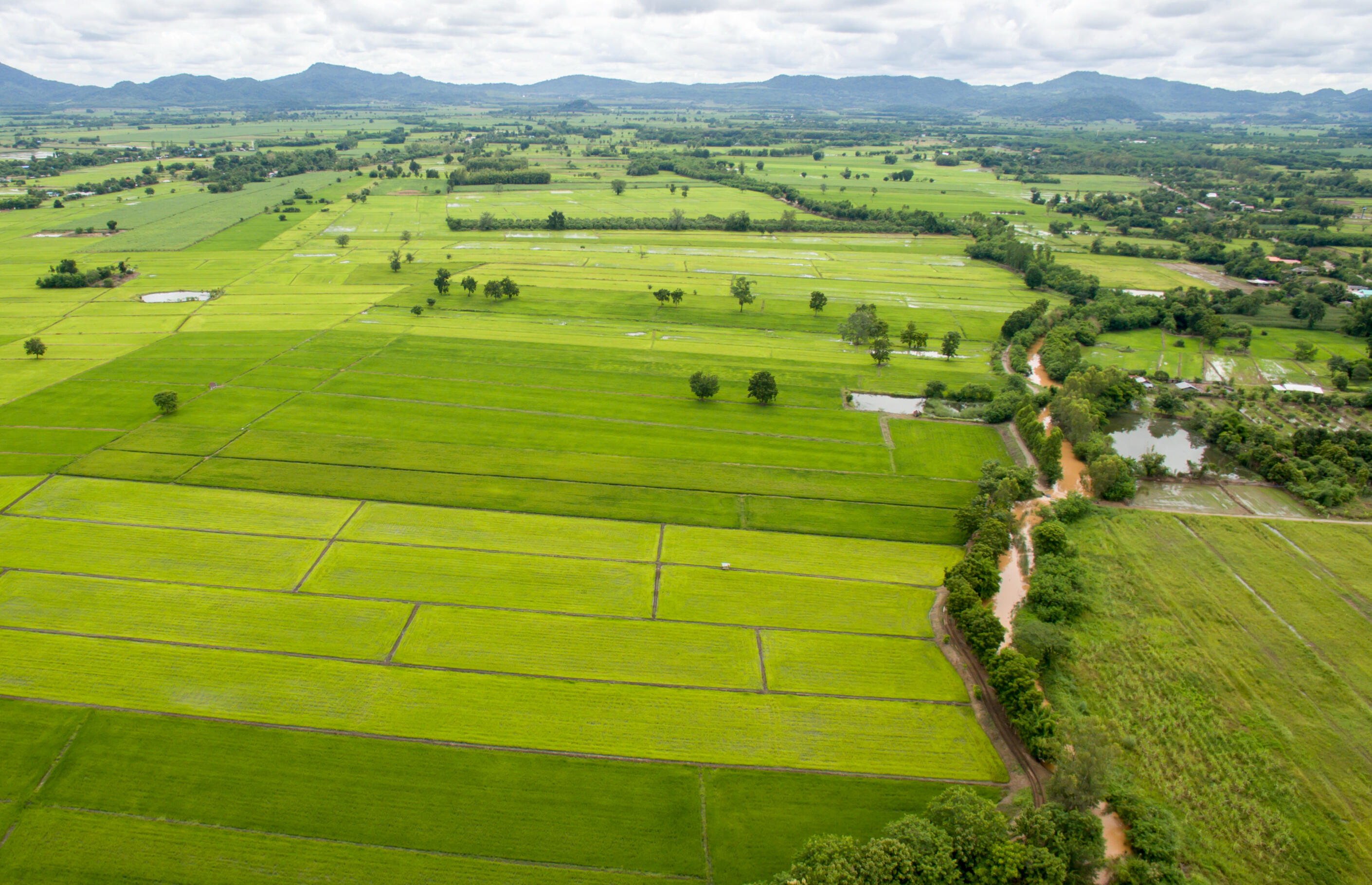
Around Bangalore, the real demand for agricultural land comes from areas where you can genuinely live, visit regularly, and farm productively — not just hold land on paper. Over the last few years, buyers have increasingly focused on regions that offer a balance of fertility, accessibility, lifestyle, and sustainability rather than merely low price.One of the standout belts that ticks most of these boxes is the South and South-West Karnataka region, particularly around the Kanakapura – Malavalli – Mandya – Mysuru corridor. This region has some key advantages:1. Fertile soil and proven cultivation history: Unlike many peripheral zones where soil is shallow or rocky, this belt naturally supports crops, trees, and high-value plantations.2. Water availability: Groundwater recharge is generally stronger here, and the area benefits from natural seepage zones and proximity to the Kaveri basin. Reliable water is one of the most important factors for long-term farming.3. Accessibility: Many of these lands are within a comfortable 1.5–2.5 hours’ drive from Bangalore, making them usable for weekend visits as well as regular supervision.4. Community & safety: Rural settlements in this region tend to be peaceful and supportive — a critical factor when you are farming, maintaining assets, or hiring local labour.5. Lifestyle value: Surrounding areas often have scenic beauty, natural spots, and a sense of countryside living that adds emotional value to the land. This, in turn, supports higher long-term demand and asset appreciation.Less expensive agricultural land can also be found further north — towards Lepakshi, Hindupur Pavagada . South - Hanur , Tamilnadu border. These areas are still relatively affordable compared to South/Mandya belts, but the trade-offs often include:1. Water availability that varies gram-to-gram
2. Soil that is more sandy or shallow
3. Longer drives from Bangalore
4. Less established farming cultureAnother important segment is near-urban agricultural land — lands closer to townships like Ramanagara, Magadi, Bidadi, and parts of Mysore Road. These may cost more, but they often offer:1. Better resale prospects
2. Proximity to markets
3. Stronger infrastructure (roads, electricity, schools, hospitals)These benefits make them attractive for long-term holders who might also want to use the land for family recreation, weekend visits, or even future farmhouse development.Many cheap land parcels exist at lower price points, cheaper rarely means better when it comes to farming and long-term investment. It is always wise to visit the site, talk to local farmers, check soil/water reports, and understand development costs before deciding.A balanced approach — not chasing the lowest price, but aiming for sustainable quality — often leads to better outcomes. Land that is slightly more expensive today but stronger in fundamentals usually appreciates more steadily and yields real farming results.In summary, areas like Kanakapura–Malavalli–Mandya–Mysuru belts, and accessible zones near Ramanagara and Mysore Road often offer the best mix of affordability, farming potential, and long-term value for those seeking reliable agricultural land near Bangalore.
FAQs